Choose your next adventure


Where Does It Come From?
Where Does It Come From?
PlayableOne pencil, six countries. One phone, half the planet.
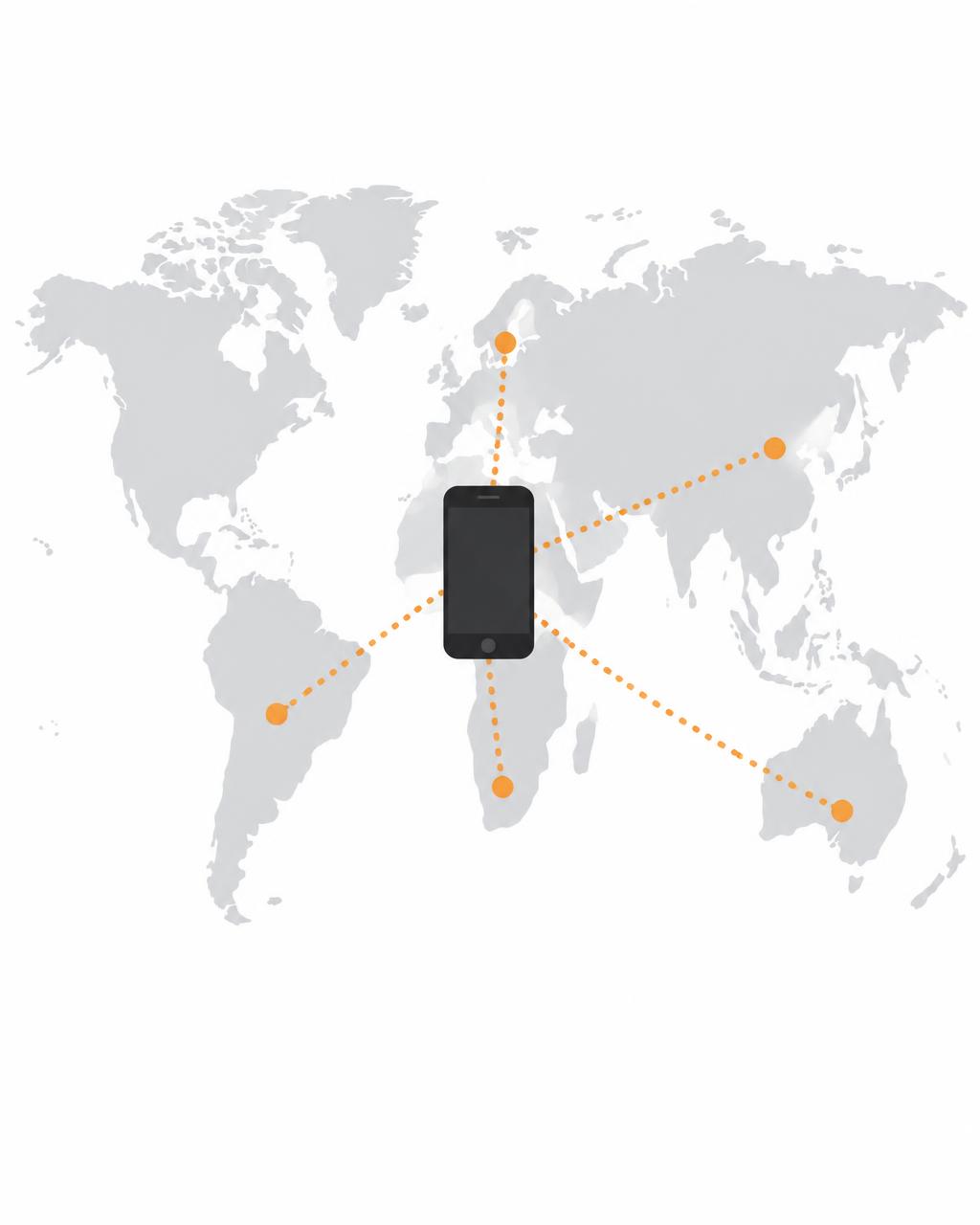
Where Does It Come From? is a free interactive product origin map. Pick an everyday thing — a pencil, a chocolate bar, a T-shirt, an EV battery, a plate of sushi or a smartphone — then tap it apart piece by piece and watch each part fly home to where it usually comes from in the world.
A single pencil turns out to be a world tour: cedar from California, graphite from Heilongjiang, clay from Bavaria, yellow paint made with castor oil from India, a brass collar of Chilean copper and an eraser of Thai rubber. The chocolate bar pulls in cocoa from Côte d'Ivoire, sugar from Brazil, milk powder from New Zealand and vanilla from Madagascar. The smartphone is the final boss: chips from Taiwan, screens from Korea, glass from Kentucky, tantalum and cobalt from DR Congo, lithium from Australia — assembled mostly in China.
It is a supply chain you can touch instead of read about. Like Scale of Energy, How Long Until It's Gone? and Sea Level Simulator, it takes something abstract — global trade — and turns it into a map you explore with your own fingers. No download or signup needed. Part of our collection of interactive learning games for curious adults.
How to play
Pick one of the six things on the shelf, then tap it to break it into its parts. Tap each part to see where in the world it usually comes from, with a dotted line drawn on the map.
When every part is placed, the whole route lights up at once — every country that had a hand in one ordinary object. Then pick the next thing and start again.
What is a smartphone made of?
The smartphone in the game breaks into a processor chip from Taiwan, an OLED screen from South Korea, cover glass from Kentucky, tantalum from DR Congo, tin solder from Indonesia and rare-earth magnets from Inner Mongolia — before assembly in Zhengzhou, China, a city nicknamed 'iPhone City'.
Its battery is a journey of its own: lithium from Australia, cobalt from DR Congo, nickel from Indonesia, manganese from South Africa, graphite and copper from China and Chile — refined almost entirely in China.
Where everyday things come from
- Pencil: cedar wood from California, graphite from China, clay from Germany, paint from Indian castor oil, copper from Chile and rubber from Thailand.
- Chocolate bar: cocoa from Côte d'Ivoire, sugar from Brazil, milk powder from New Zealand, vanilla from Madagascar and foil from Guinea.
- T-shirt: cotton from Brazil, yarn spun in Vietnam, blue dye from India and sewing thread from China.
- Sushi: salmon from Norway, rice from California, nori from South Korea, wasabi from Japan, soy sauce from Wisconsin and pickled ginger from China.
Why I created this
I read that a pencil touches six countries before it reaches your desk, and I couldn't stop thinking about it. Every ordinary thing on my desk turned out to be a world map in disguise.
FAQ
What does Where Does It Come From? show?
It takes six everyday things — a pencil, a chocolate bar, a T-shirt, an EV battery, sushi and a smartphone — and lets you tap them apart to see which country each part usually comes from, drawn on a world map.
Are the origins real?
Yes. Each part points to the country that typically produces most of that material or component — for example cocoa from Côte d'Ivoire, lithium from Australia and smartphone chips from Taiwan. Real supply chains shift, so think of it as a typical journey, not a tracking number.
What is a supply chain?
The chain of places and steps behind a product: where the raw materials are dug up or grown, where they are processed, and where everything is assembled. This game turns that chain into a map you can explore.
Is it free and does it work on mobile?
Yes. It runs in your browser with no download or account, and everything is tapped with a finger or clicked with a mouse.
Origins show the countries that typically produce each material or component. Real supply chains vary by brand and change over time.