
Interactive learning games for curious adults
The best interactive websites do not lecture you — they hand you the controls and let the idea sink in while you play. This shelf is our take on edutainment: small, free educational games for adults who never stopped asking “wait, how big is that actually?” Drain an ocean, scroll through a million years of garbage, or climb from one heartbeat to the Sun — or find out why switching doors doubles your odds. No download or signup.

The Hurry
Learning

Stay or Switch?
Learning
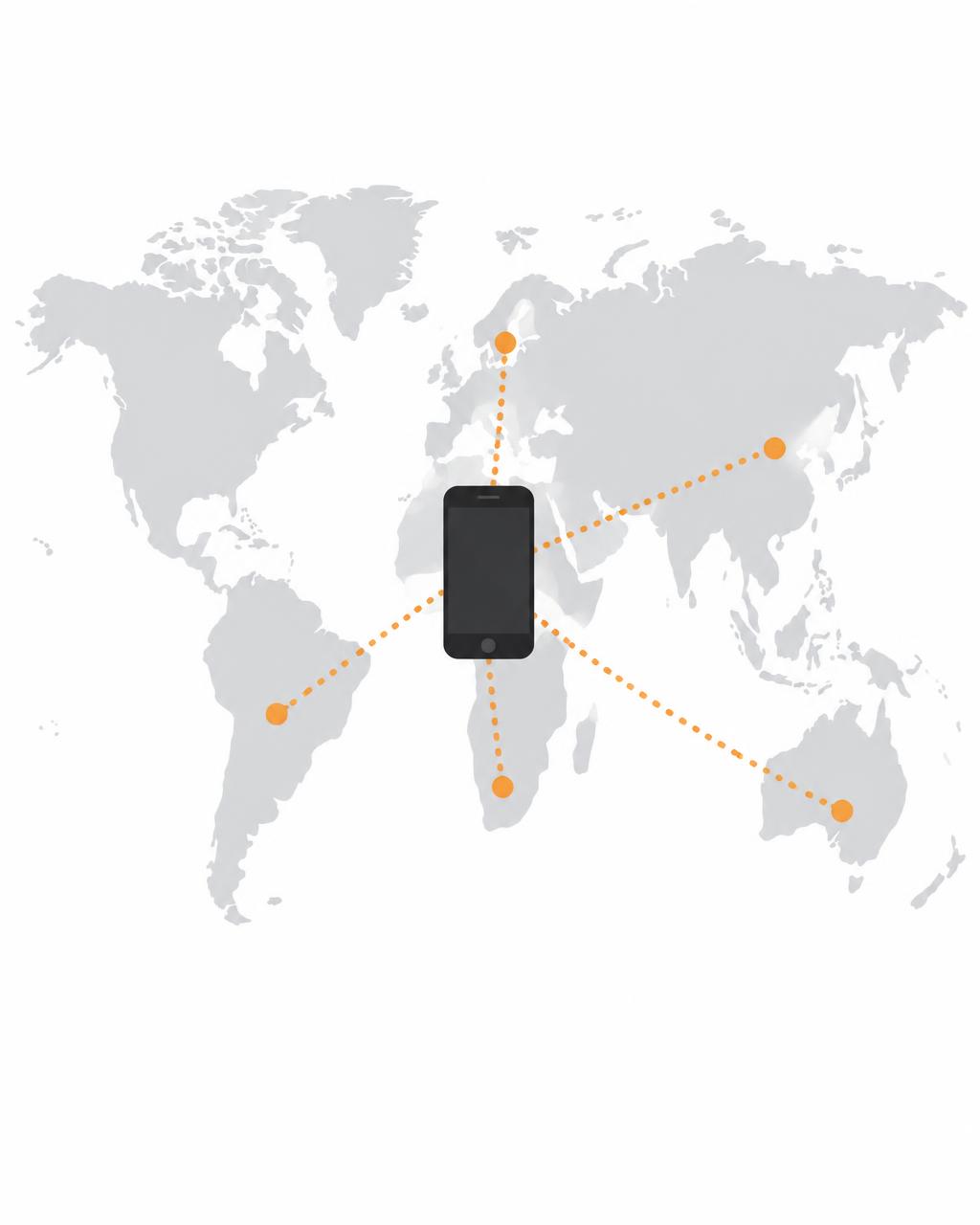
Where Does It Come From?
Learning

300 Words for Snow
Learning
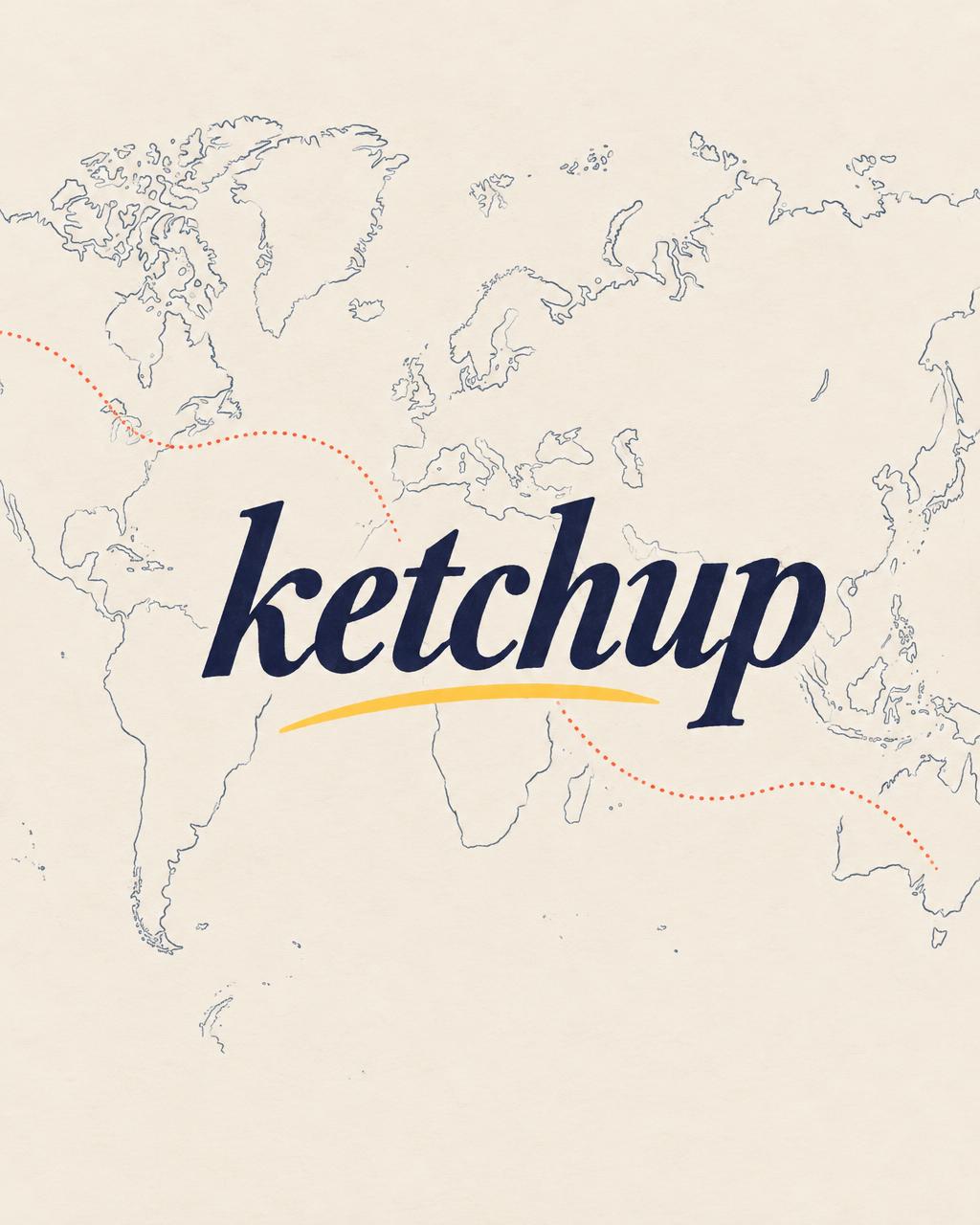
Where Words Come From
Learning

Sea Level Simulator
Learning

How Long Until It's Gone?
Learning
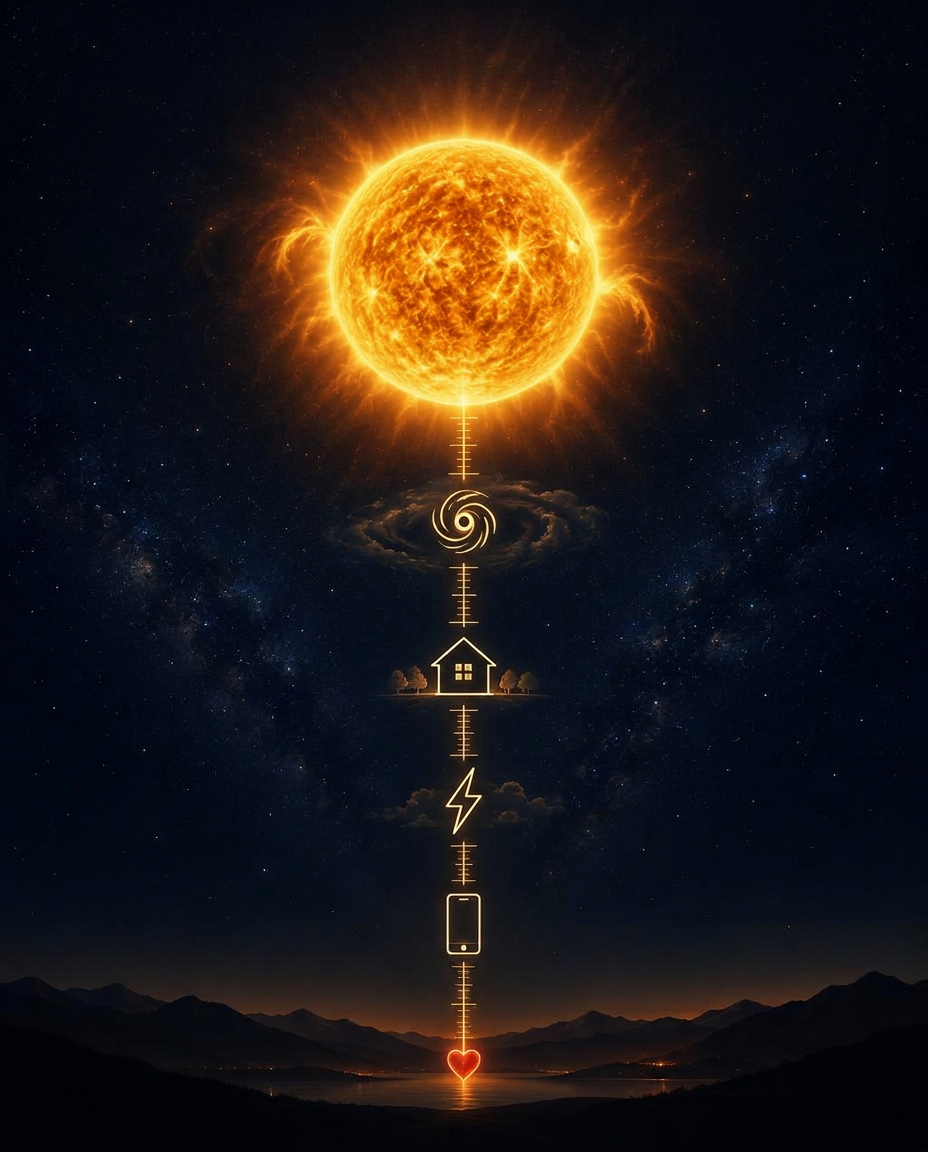
Scale of Energy
Learning

Fold to the Moon
Learning
Pick something to be wrong about
A famous experiment you walk through
The Hurry
You're late for a talk, and five people on the way need a moment of your time. Based on the 1973 Good Samaritan study, The Hurry lets you feel the pressure that made most hurried students walk past — then shows how your choices compare.
Probability that feels wrong
Stay or Switch?
Pick a door, let the host reveal a goat, then stay or switch. Play the Monty Hall problem yourself, magnify it to 100 doors and run up to 100,000 trials to see why the two remaining doors are not a 50/50 choice.
The world inside one pencil
Where Does It Come From?
Tap a pencil, a chocolate bar or a smartphone apart and watch every piece fly home to the country it came from — cedar from California, cocoa from Côte d'Ivoire, chips from Taiwan. It is the supply chain as a map you play with, and the final light-up of one ordinary object's journey is quietly astonishing.
Words for snow you can step on
300 Words for Snow
Walk through one Sámi winter and learn twelve real snow words by feeling what each snow does under your boot and a reindeer's hooves. It starts with the Inuit snow myth and ends somewhere more interesting.
The history of words on a map
Where Words Come From
Follow twenty everyday words, from ketchup and robot to jeans and giraffe, as they hop between languages and countries before landing in English. Each stop shows the old form and what it meant, and the finished route makes it clear how much of English was borrowed along trade routes.
Geography you can flood
Sea Level Simulator
Spin a real 3D Earth built from NASA satellite imagery and NOAA depth data, then drag the water gauge from a flooded Everest down to a fully drained planet. On the way down you pass the Titanic, sunken cities and the mid-ocean ridges — geography stops being a list of names and becomes a place you have actually visited.
A million years of trash
How Long Until It's Gone?
Scroll through twenty everyday objects on an exponential timeline, from a paper towel that vanishes in weeks to a glass bottle that outlasts civilization. Each step shows the thing fresh and rotted, and the jumps between them are the real lesson: your sense of ‘gone’ is calibrated completely wrong.
Physics by comparison
Scale of Energy
Climb from the energy of a single heartbeat, past phone charges, lightning strikes and a day of hurricane, all the way to one second of the Sun — everything measured in kilowatt-hours. Each step is anchored to something you already know, so the enormous numbers actually land instead of washing over you.
Exponential growth, felt
Fold to the Moon
Fold a sheet of paper and watch the thickness double: past your house, past the atmosphere, past the Moon. It is the classic exponential-growth thought experiment turned into something you click through yourself, and the disbelief you feel around fold 30 is exactly the point.
Why interactive learning sticks
Reading that a glass bottle takes a million years to decompose is a fact you forget by lunch. Scrolling past a banana peel, a cigarette butt and a plastic bag on your way to that bottle is a feeling you remember. Every game on this shelf is built around one idea that is hard to grasp from text alone — scale, time, energy, geography — and turns it into something you steer with your own hands.
That is the difference between educational content and interactive learning. You are not being told the answer; you are bumping into it. The moment you drag the sea level down and spot a shipwreck, or fold a virtual paper past the Moon and refuse to believe it, the knowledge has already landed. These are not classroom tools with points and badges — just weird, honest little experiences for grown-ups who like having their intuition corrected.
A few questions
- Are these games actually educational?
- Yes, but on purpose they don't feel like school. Each one is built around a real dataset or a real physical idea — NOAA ocean depths, NASA satellite imagery, published decomposition estimates, measured energy values — and lets you explore it freely instead of quizzing you on it.
- Who are these interactive learning games for?
- Curious adults, mostly. There are no levels, grades or accounts, and nothing is simplified into cartoons. They work just as well for teenagers, teachers looking for a classroom demo, or anyone who enjoys having their sense of scale recalibrated.
- Do I need to download anything or sign up?
- No. Everything runs in your browser on PC, tablet and phone. Open a game, play with it for two minutes or twenty, and leave whenever you like.
- Which one should I try first?
- Start with Sea Level Simulator if you like maps, How Long Until It's Gone? if you want a calmer scroll, and Scale of Energy or Fold to the Moon if you enjoy numbers that break your brain a little.
In the mood for something less wholesome? Try our psychology games or browse all learning games.